
Pathways to Collective Power: Testing Models for Organizing Business Process Outsourcing (BPO) Workers in the Philippine Digital Labor Sector
Evaluates organising models that can strengthen BPO workers’ voice, rights, and access to fair and inclusive workplace conditions.
Climate Change and the Future of Work in Sri Lankan Cities
Assesses how climate change is reshaping urban labour markets and working conditions in Sri Lankan cities.
Beyond the Platform: Social Insurance for Gig Workers in Bangladesh
Devising a roadmap for social insurance coverage for platform-based gig workers in Bangladesh.
Fields Without Safety Nets: Analysis of Gendered Informality in the Agricultural Sector and Cost of Social Insecurity
Analyses gendered informality in Nepal’s agricultural sector, with particular attention to gaps in social protection for vulnerable workers.
Adapting to the AI Revolution: A Gender-Responsive Skilling Framework for Workers Aged 40 and Over (AISkill40+)
Focuses on developing a gender-responsive reskilling framework to support Vietnamese workers aged 40+ in adapting to AI-driven labour market changes.
Heat, Health, and Gender: Climate Risks and Decent Work in India and Bangladesh’s Garment Sector
Investigates the effects of daily heat stress on garment workers’ health and the resulting implications for attendance, earnings, and labour turnover.
Gender-Responsive Energy Transition in Sri Lanka: Insights from Mannar and Monaragala
Examines how energy transition initiatives in Sri Lanka affect women’s livelihoods and economic security.

Life After Life: Future of Work in Bangladesh
A foresight based research exploring Bangladesh’s future of work to identify key trends, weak signals of change and requisite policy actions to inform policies.

Gender Implications of Future of Work in South Asia: The Challenges of Technological Change and Climate Transition in Garment Manufacturing in Bangladesh and India
Understanding sustainable jobs for women in Bangladesh and India’s garment sector by addressing automation, climate transition, skill gaps, and policy reforms.
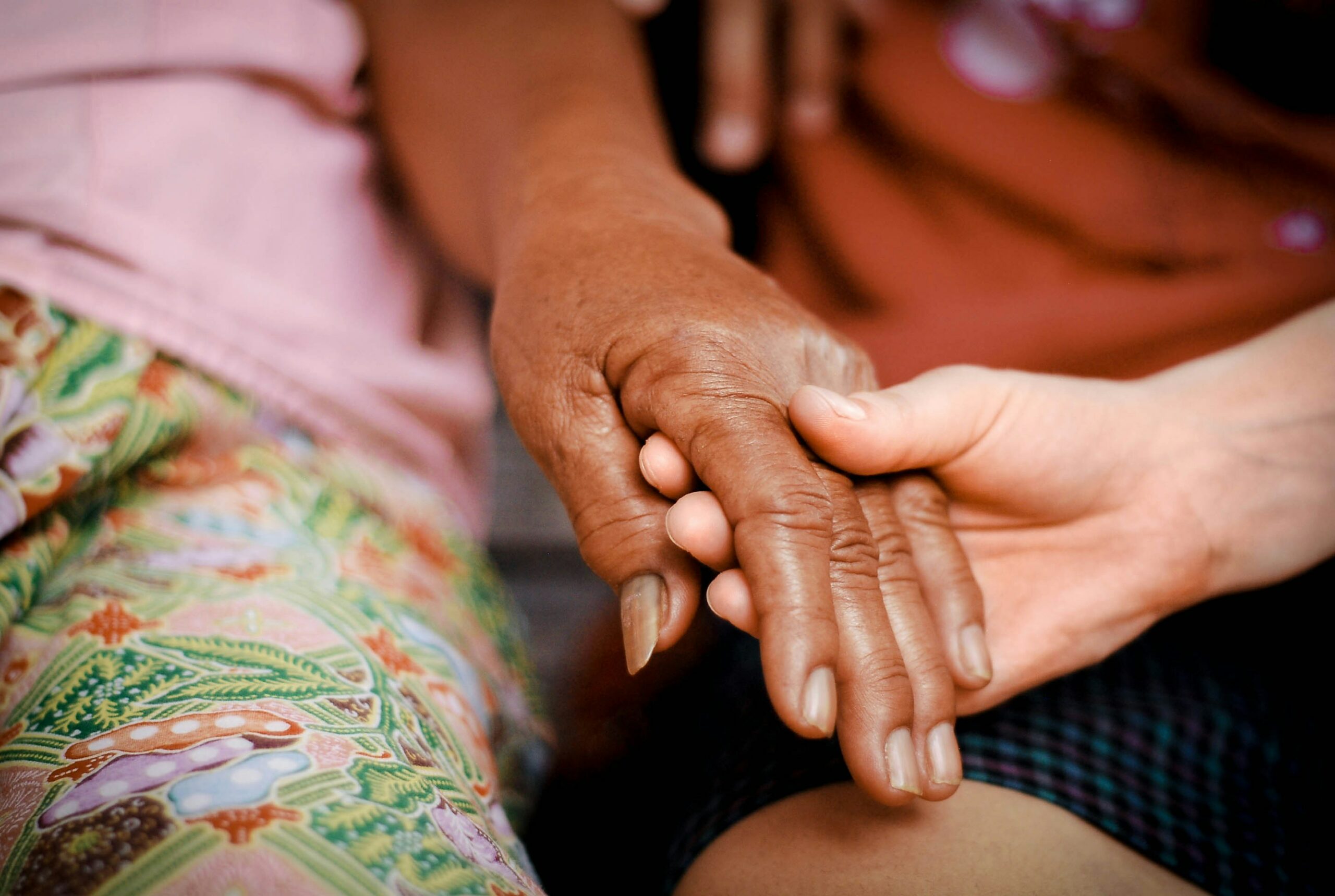
The Care Economy Roadmap for Sri Lanka: Charting the Way-Forward
This project aims to develop a comprehensive roadmap to strengthen Sri Lanka's care economy.
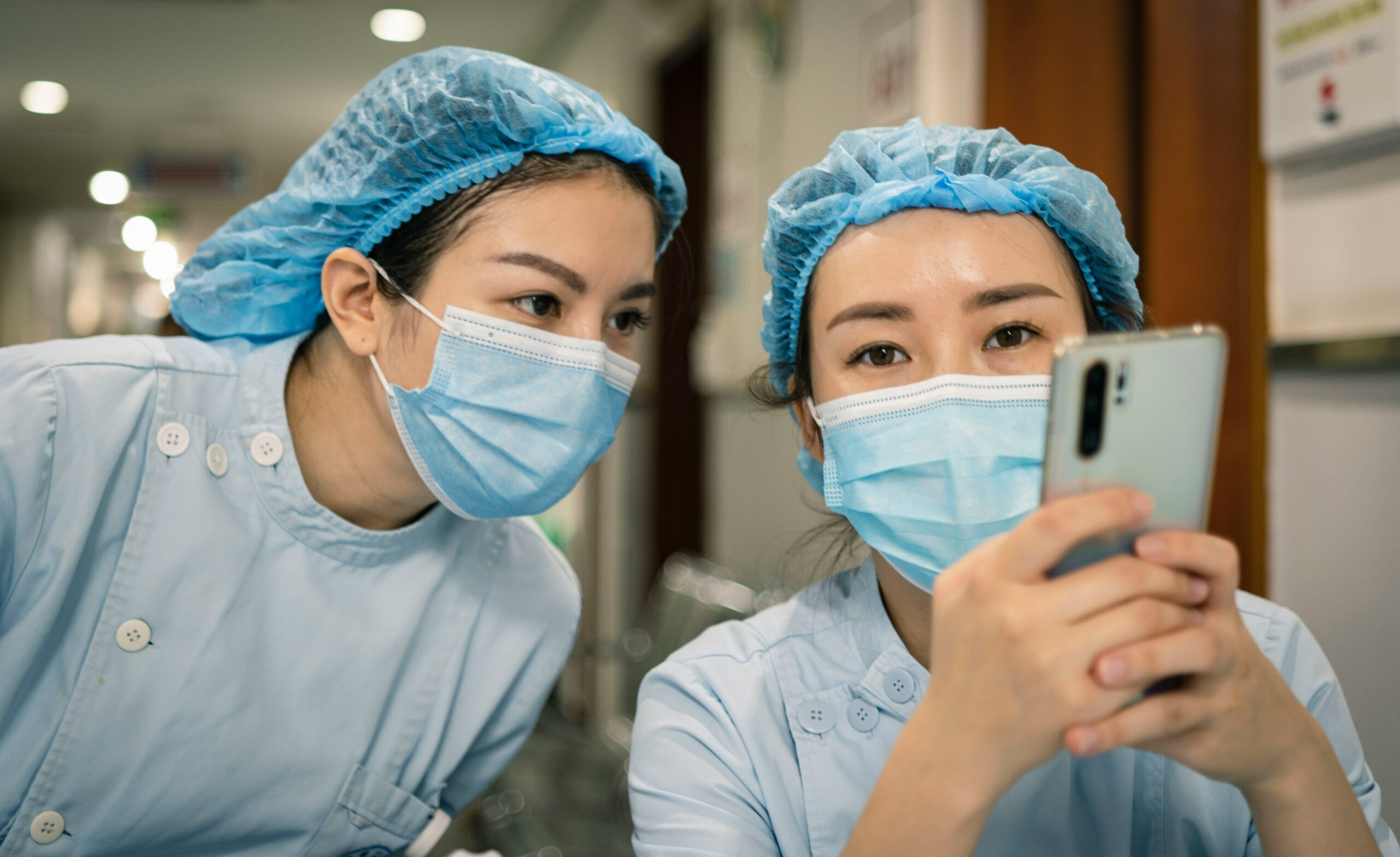
Digital Disruption and Climate Stress: Assessing Impacts on Nursing Work and Charting a Resilient, Equitable, and Gender-Responsive Work Landscape
This project identifies policies to address negative impacts of digitalization and climate change on Filipino nurses.

Opportunity and resilience in the Philippine platform labor economy: Policy imperatives for skills development and social protection amid climate and technological changes
Exploring resilience in platform labor in the Philippine context, this project addresses skills development and social protection amid technological advancements and climate change.