 As platform work continues to expand, workers are increasingly navigating the combined pressures of technological change, AI-driven automation, and climate-related disruptions. Ensuring that this evolving labour market remains resilient and inclusive requires policies grounded in workers’ experiences and informed by dialogue among key stakeholders. On 8 July 2026, De La Salle University’s Social Development Research Center (DLSU-SDRC), together with the Manila Observatory, convened a Policy Dialogue and Stakeholders’ Forum in Manila to examine the challenges and opportunities shaping the future of platform work in the Philippines. The dialogue drew on research involving more than 100 in-depth interviews with platform workers and industry pioneers across different regions of the country. The findings informed the discussion on social protection and policy measures that could better respond to the realities faced by platform workers in a rapidly changing world of work.
 A policy report by the DLSU Social Development Research Center and the Manila Observatory examines how climate change and technological development expose the limitations of existing social protection systems for platform workers in the Philippines. The report highlights key policy recommendations, including flexible social protection, mandatory accident insurance, and worker-centred app safety features to help build more resilient and inclusive labour markets.
 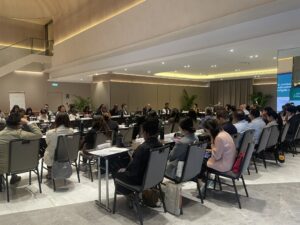 The rapid technological advancement and Artificial Intelligence (AI) have become synonymous with conversations about the future of work. Headlines often focus on which jobs are at risk and how quickly technology will replace workers. But the reality is far more complex. On 11 June 2026, researchers and practitioners from across Asia gathered at the Pullman King Power in Bangkok for a knowledge-sharing session hosted by LIRNEasia and the Regional Economic and Social Analysis Unit (RESA) of the International Labour Organization (ILO) Regional Office for Asia and the Pacific. The session explored how AI, digital transformation and platform work are reshaping labour markets – and what this means for workers, businesses and governments.
  Rising oil prices and ongoing geopolitical crises continue to place significant pressure on platform workers in the Philippines, particularly ride-hailing and delivery workers who often face rising fuel costs, unstable earnings, and limited social protections. This opinion piece examines how these challenges expose deeper structural vulnerabilities within the platform economy and underscore the need for stronger protections for platform workers.
  Gig work is creating new opportunities for flexible employment in Sri Lanka, but workers continue to face challenges around income security, access to protections, bargaining power, and long-term sustainability. This article explores six key realities shaping Sri Lanka’s gig economy and highlights the need for policies and practices that ensure a fairer future for platform workers.