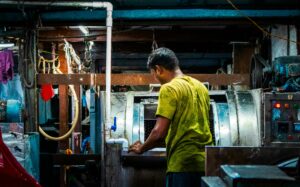
As automation, AI, and evolving production systems reshape manufacturing and digital service sectors in Bangladesh, how prepared is the country for what lies ahead? As part of the FutureWORKS Asia-supported project, ‘Life after Life: Future of Work in Bangladesh‘, researchers from the Centre for Policy Dialogue (CPD) have published an op-ed article exploring Bangladesh’s readiness for these transformations. The article highlights the need for coordinated policies on skills development, social protection, and inclusive labour market transitions to ensure that no one is left behind. The research is supported by the FutureWORKS Asia initiative, administered by LIRNEasia, and is part of the FutureWORKS Collective—a global effort supported by the International Development Research Centre (IDRC), Canada. Read the full article published in The Daily Star on 4 July 2026.
 Ride-hailing and delivery apps have transformed how people move and shop in Bangladesh’s cities, but social protection systems have struggled to keep pace with these changes. The article highlights the fragmented nature of existing coverage and calls for a portable, contributory, and progressively expandable system that protects platform workers without waiting for all questions surrounding their employment status to be resolved.
 A policy report by the DLSU Social Development Research Center and the Manila Observatory examines how climate change and technological development expose the limitations of existing social protection systems for platform workers in the Philippines. The report highlights key policy recommendations, including flexible social protection, mandatory accident insurance, and worker-centred app safety features to help build more resilient and inclusive labour markets.
 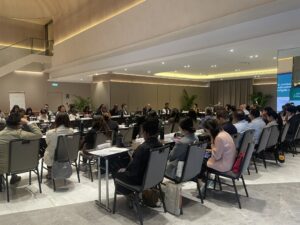 The rapid technological advancement and Artificial Intelligence (AI) have become synonymous with conversations about the future of work. Headlines often focus on which jobs are at risk and how quickly technology will replace workers. But the reality is far more complex. On 11 June 2026, researchers and practitioners from across Asia gathered at the Pullman King Power in Bangkok for a knowledge-sharing session hosted by LIRNEasia and the Regional Economic and Social Analysis Unit (RESA) of the International Labour Organization (ILO) Regional Office for Asia and the Pacific. The session explored how AI, digital transformation and platform work are reshaping labour markets – and what this means for workers, businesses and governments.
  Rising oil prices and ongoing geopolitical crises continue to place significant pressure on platform workers in the Philippines, particularly ride-hailing and delivery workers who often face rising fuel costs, unstable earnings, and limited social protections. This opinion piece examines how these challenges expose deeper structural vulnerabilities within the platform economy and underscore the need for stronger protections for platform workers.
  Gig work is creating new opportunities for flexible employment in Sri Lanka, but workers continue to face challenges around income security, access to protections, bargaining power, and long-term sustainability. This article explores six key realities shaping Sri Lanka’s gig economy and highlights the need for policies and practices that ensure a fairer future for platform workers.