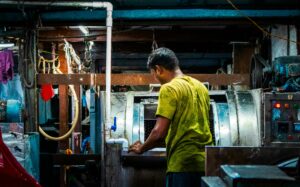
 As automation, AI, and evolving production systems reshape manufacturing and digital service sectors in Bangladesh, how prepared is the country for what lies ahead? As part of the FutureWORKS Asia-supported project, ‘Life after Life: Future of Work in Bangladesh‘, researchers from the Centre for Policy Dialogue (CPD) have published an op-ed article exploring Bangladesh’s readiness for these transformations. The article highlights the need for coordinated policies on skills development, social protection, and inclusive labour market transitions to ensure that no one is left behind. The research is supported by the FutureWORKS Asia initiative, administered by LIRNEasia, and is part of the FutureWORKS Collective—a global effort supported by the International Development Research Centre (IDRC), Canada. Read the full article published in The Daily Star on 4 July 2026.
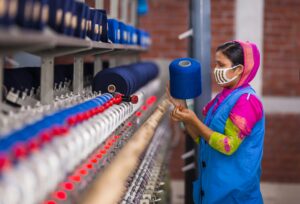 Women’s participation in the workforce is a cornerstone of inclusive economic growth yet recent trends in Bangladesh point to a worrying reversal. This op-ed unpacks the deeper structural and social factors driving women out of the workforce, and what this means for the future of work and gender equality in the region.
 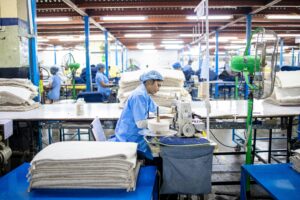 Bangladesh’s manufacturing sector has long been a key driver of women’s employment — but recent trends reveal a troubling shift. Despite growth in exports and overall employment, women are increasingly being pushed out of urban manufacturing jobs, particularly in the garment sector. This op-ed explores the drivers behind this shift and reflects on its broader implications for inclusive growth and the future of work.
 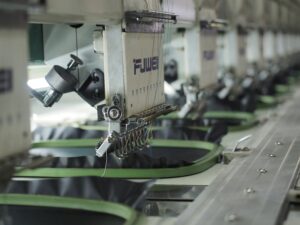 Garment workers in Bangalore are navigating an industry increasingly shaped by technological change, shifting production demands, and growing uncertainty. This piece explores how these changes are impacting workers’ everyday experiences, particularly through a gendered lens, offering insights into the realities of labour and the future of work in South Asia.